Integrated Contracting
Generator and electrical infrastructure projects delivered by one team: electrical, mechanical, civil, concrete, and commissioning coordinated in-house across Woola's divisions.
- One proposal, one project team
- Self-performed civil, concrete, and electrical
- ATS, switchgear, and distribution upgrades
Power projects rarely exist in isolation. Replace a generator and you're suddenly managing civil excavation, a concrete foundation, mechanical modifications, and electrical upgrades. Build out EV charging and you've added trenching, distribution upgrades, and site restoration to what looked like an electrical job.
The traditional answer is four contractors, four schedules, and a property manager stuck relaying messages between them. Woola's answer is integrated contracting: our in-house Electrical, Mechanical, Power, and Construction divisions delivering the whole scope as one team, from planning through commissioning.
Projects we deliver this way
- Generator installations and emergency power projects
- Electrical service and distribution equipment upgrades
- Automatic transfer switch installations
- Underground electrical infrastructure and vault improvements
- EV charging infrastructure
- Electrical connections for mechanical equipment: RTUs, boilers, pumps, chillers, heat pumps, cooling towers
- Tenant improvements and lighting upgrades
- Site electrical infrastructure and equipment replacement
- Building modernization and capital improvement projects
Every trade the project needs, in-house
Commercial electrical construction is handled by licensed electricians experienced in both occupied buildings and new construction. Generator and emergency power scopes are coordinated directly with Woola Power. Mechanical equipment installations pair our Electrical and Mechanical teams on the same schedule, and civil work, trenching, hydrovac, concrete removal, underground utilities, and asphalt restoration, runs through Woola Construction. Concrete scopes cover equipment pads, housekeeping pads, transformer bases, and generator foundations. Commissioning and closeout finish the job properly: testing, documentation, and owner walkthroughs.
What changes when one contractor runs the project
You get one proposal with integrated scopes, which simplifies procurement and makes the real project cost visible up front. You get one project manager standing between the trades, the consultants, and ownership, instead of a chain of subcontractor phone calls. Scheduling is coordinated inside one company, so the concrete crew isn't waiting on an electrician who works for someone else, and quality control is enforced by teams who work together daily and will see each other again on the next job.
Accountability is the quiet advantage. When something needs resolving, there's no gap between contractors for responsibility to fall into. It's our scope, all of it.
Support that outlasts the construction
Because the divisions that built your project also run service operations, the relationship doesn't end at substantial completion. The generator we installed enters a maintenance and inspection program with the same company; the electrical infrastructure we upgraded is supported by the electricians who installed it; and future capital projects start with a partner who already knows the building.
Better coordination, not more contractors
Complex building projects don't fail for lack of trades; they fail in the handoffs between them. Integrated contracting removes the handoffs. If your next capital project touches more than one trade, and most do, it's worth seeing what a single-team proposal looks like.
Discuss your project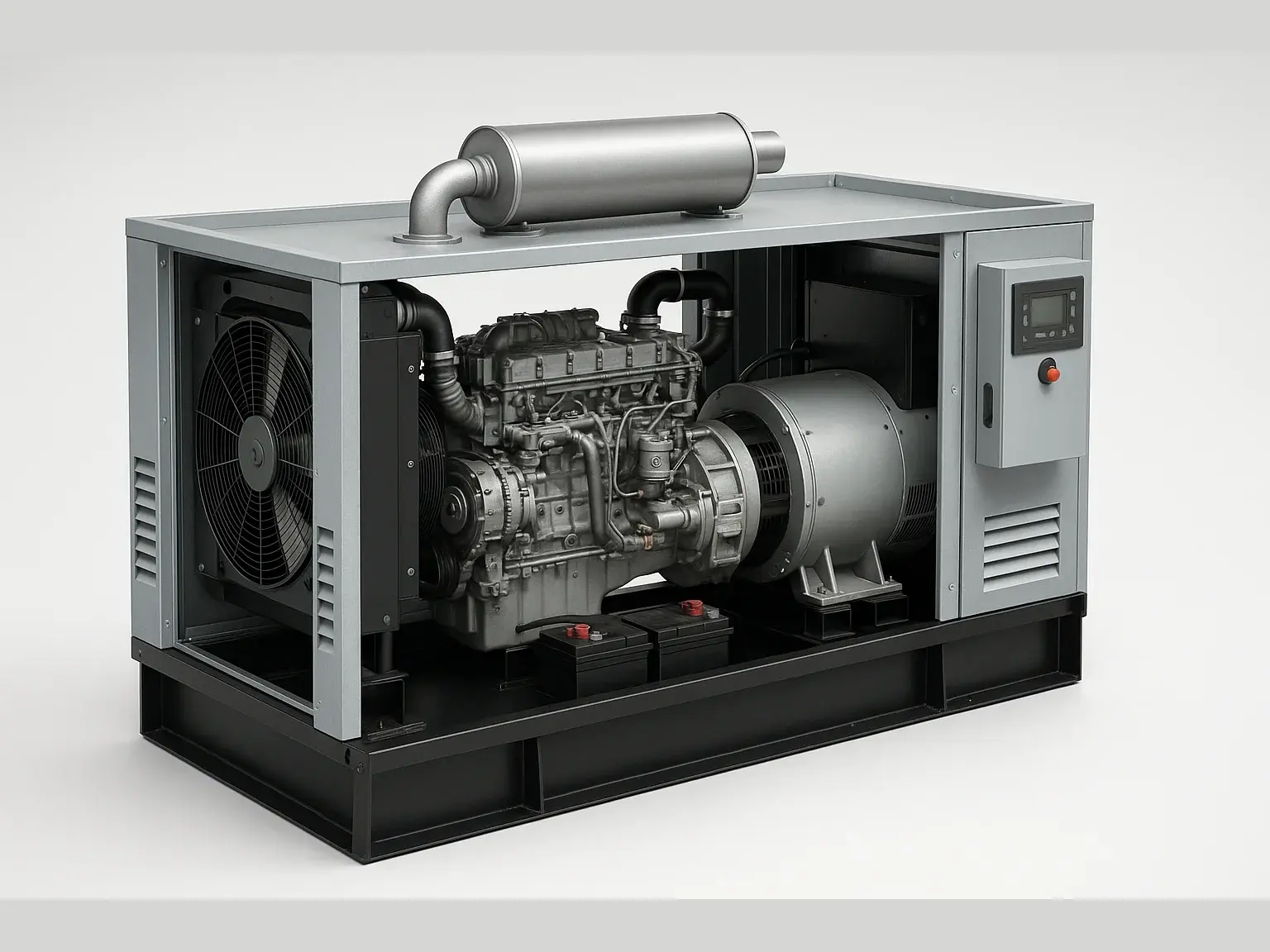
Describe the building and what's happening. A coordinator scopes the visit before anyone rolls a truck.
604-829-9156Equipment we service.
Each unit links to a plain-English walkthrough of what it does, what fails, and what to keep an eye on.
Standby Generator
Life-safety power when the grid fails: elevators, exit lighting, fire pumps, and heat. In BC, annual CSA C282 testing is the law for many buildings.
- ·Failed or skipped exercise runs
- ·Wet-stacking from light loading
- ·Aging fuel that's never been polished
- Annual CSA C282 load-bank test
- Oil, coolant, and battery service
- Fuel polishing on rotation
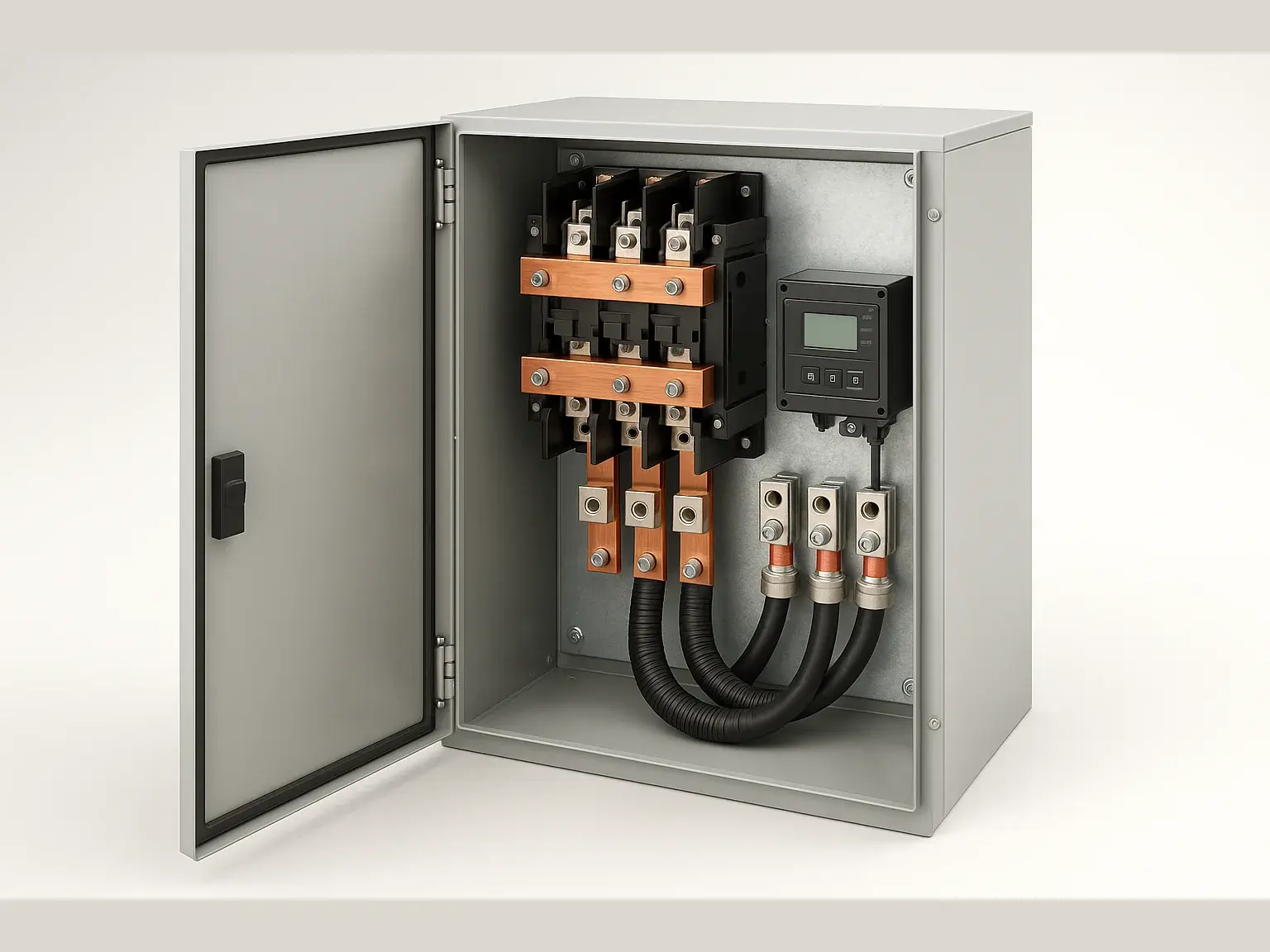
Automatic Transfer Switch (ATS)
Decides when the building runs on grid or generator, and makes the swap automatically.
- ·Failure to transfer during tests
- ·Chatter or hum from the cabinet
- ·Obsolete controller with no parts support
- Transfer-time testing annually
- Infrared scan of lugs and contacts
- Exercise clock verification
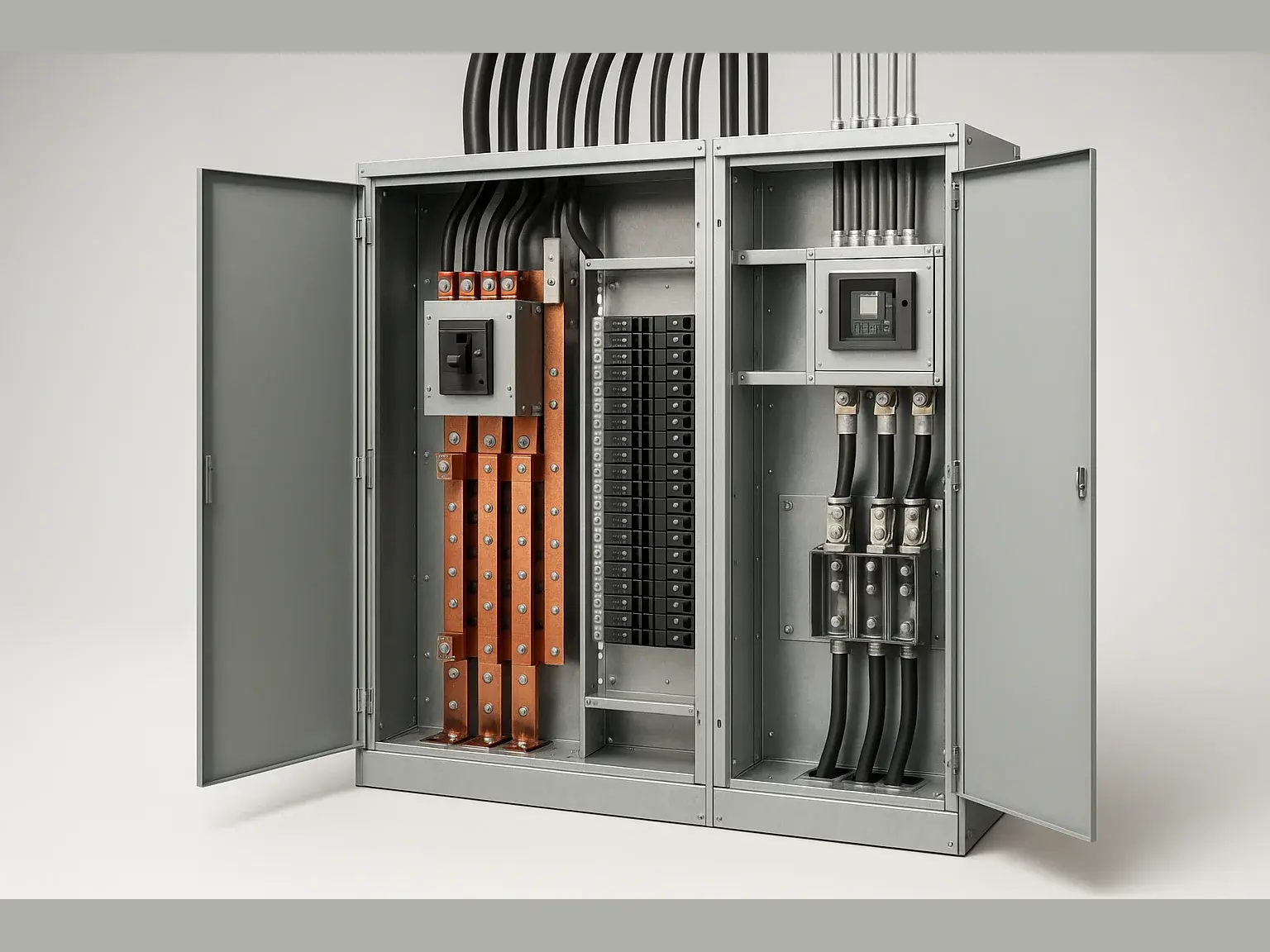
Electrical Panel & Switchgear
Where power enters the building and gets split to every circuit. Panels distribute; switchgear protects and meters the heavy loads.
- ·Warm breakers or a burning smell
- ·Frequent nuisance trips
- ·No spare capacity for EV or HVAC upgrades
- Infrared scan annually to find hot lugs
- Torque checks on connections
- Breaker exercise and labelling audit
Recent projects.
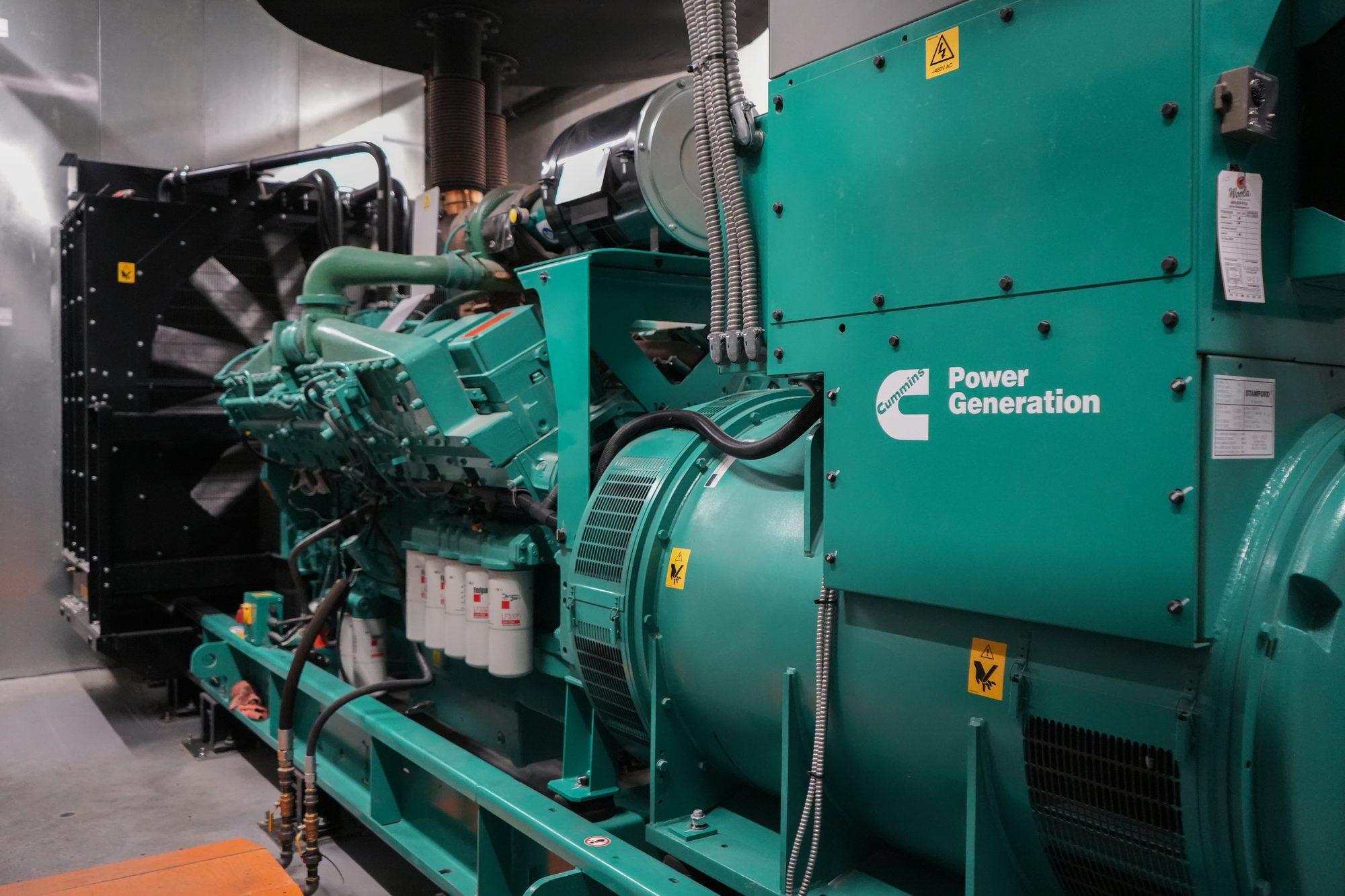 Standby power
Three-Generator Standby Power Infrastructure Project
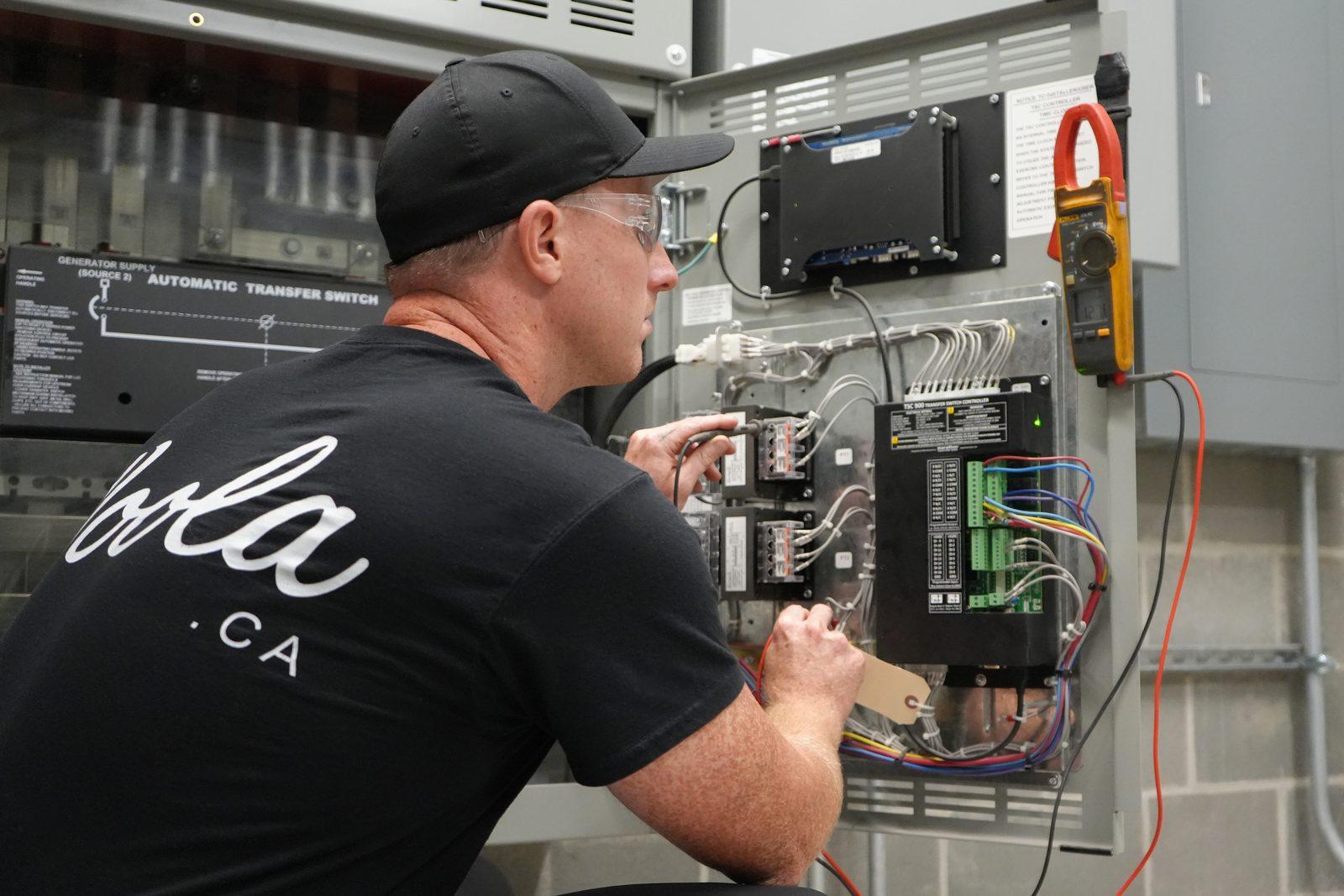 Transfer switches
Automatic Transfer Switch Modernization
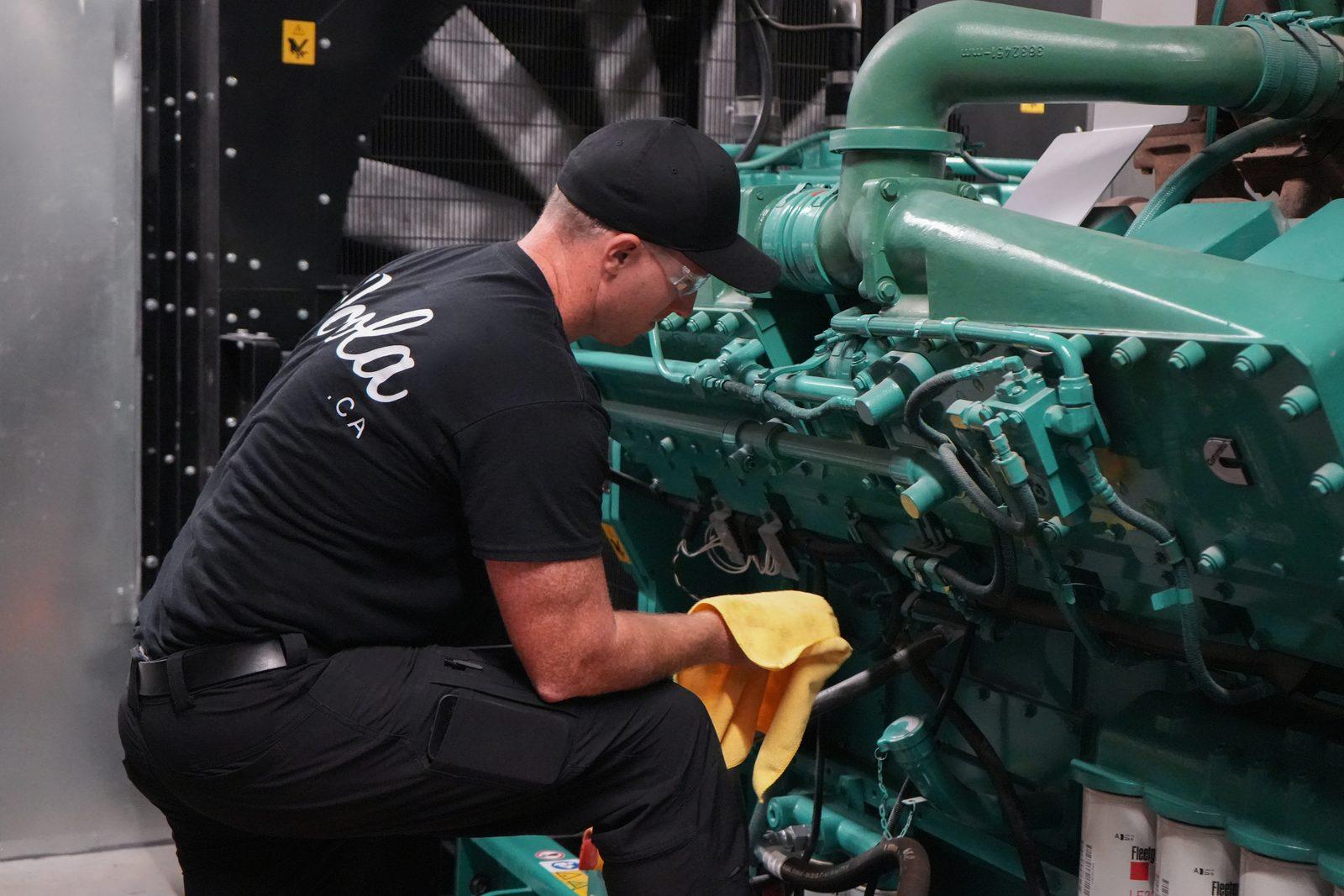 Emergency response
Emergency Generator Support During Wildfire Conditions



How we handle it.
- One proposal, one project team
- Self-performed civil, concrete, and electrical
- ATS, switchgear, and distribution upgrades
- Ongoing service after commissioning
Turnkey power projects across Whistler, Squamish, West Vancouver, North Vancouver, Vancouver, Burnaby, and 12 more municipalities.
Book integrated contracting with Woola.
Tell us about the property and we'll get a coordinator in touch within one business day.
24/7 emergency dispatch for contracted clients